
How to Check an IPO Before Investing: A Simple Guide for Beginners
Investing in an Initial Public Offering (IPO) often feels exciting. A company is coming to the stock market for the first time, media headlines are everywhere, and stories of listing-day profits attract new investors. However, not every IPO creates wealth. Many IPOs underperform after listing, while some destroy capital for investors who didn’t properly check an IPO before investing.
If you are a beginner in the Indian stock market, this guide will help you understand how to check an IPO before investing, what documents to read, what numbers actually matter, and how to avoid common IPO mistakes. The goal is not to chase hype, but to make informed, disciplined decisions.
Understanding What an IPO Really Is
Before learning how to check an IPO before investing, you must understand what an IPO represents.
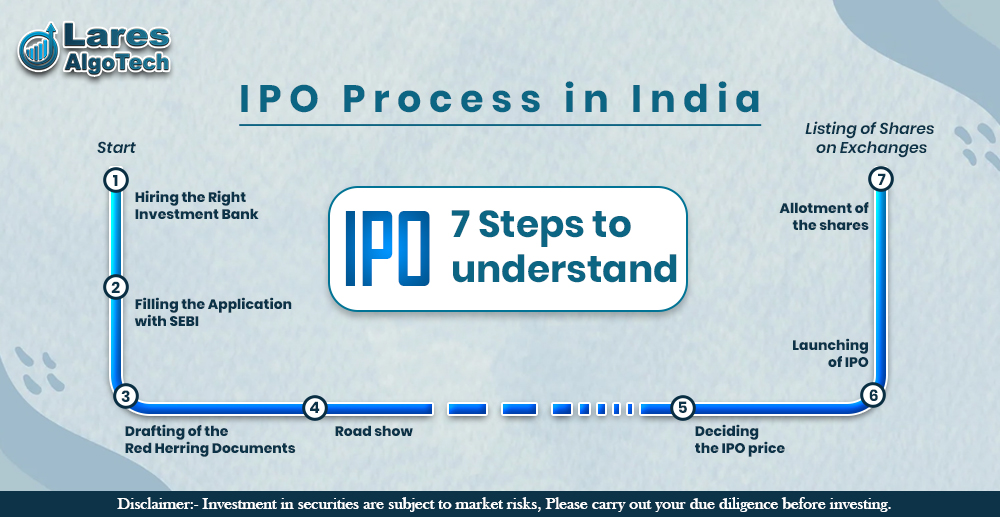
An IPO is the process through which a private company offers its shares to the public for the first time and gets listed on a stock exchange. When you invest in an IPO, you are not buying a “guaranteed opportunity.” You are buying a small ownership stake in a business.
Companies go public for several reasons:
- To raise capital for growth or expansion
- To reduce debt
- To allow early investors to exit
- To improve brand visibility
Not all reasons are good for new investors. That is why analysis matters.
Why You Must Check an IPO Before Investing
Many beginners assume IPO investing is “easy money.” This belief often comes from social media posts showing quick listing gains. But the reality is different.
You must check an IPO before investing because:
- IPO pricing can be aggressive or overvalued
Promoters may be reducing their stake
- Financials may look good only temporarily
- Business risks may not be obvious at first glance
A structured review helps you separate quality businesses from hyped listings.
Step 1: Read the DRHP and RHP (Even If It Feels Boring)
The most important step to check an IPO before investing is reading the official documents:
- DRHP (Draft Red Herring Prospectus)
- RHP (Red Herring Prospectus)
These documents are not marketing brochures. They are legal disclosures filed with regulators and contain critical information about the company.
What to Focus On:
- Company background and business model
- Risk factors
Use of IPO proceeds
- Financial statements
- Promoter details
You don’t need to read every page word-for-word. Focus on sections that explain how the company makes money and what can go wrong.
Step 2: Understand the Business Model Clearly
A golden rule to check an IPO before investing:
If you don’t understand how the company earns money, don’t invest.
Ask yourself:
- What does the company sell?
- Who are its customers?
- Is the demand recurring or one-time?
- Is the business dependent on government policy, commodities, or regulations?
Simple, transparent business models are easier to evaluate and usually safer for beginners.
Step 3: Check the Company’s Financial Health
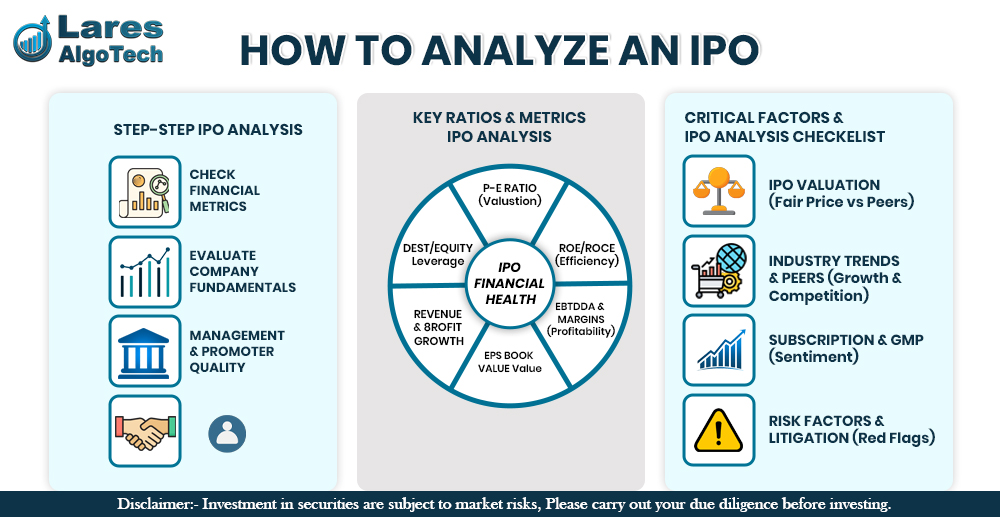
Financials reveal whether growth is real or cosmetic. When you check an IPO before investing, always review at least 3 years of financial data.
Key Numbers to Track:
- Revenue growth
- Net profit growth
- Operating margins
- Return on Equity (ROE)
- Debt levels
Red Flags:
- Sudden spike in profits just before IPO
- High debt without clear repayment plan
- Declining margins despite revenue growth
A financially strong company does not rely on IPO money to survive—it uses it to grow.
Step 4: Analyze the Use of IPO Funds
One of the most overlooked aspects when people check an IPO before investing is how the raised money will be used.
Positive Uses:
- Capacity expansion
- Technology upgrades
- Long-term growth investments
- Working capital for scaling operations
Concerning Uses:
- Repayment of excessive debt
- Promoter exit or partial cash-out
- Covering operational losses
IPO proceeds should ideally create future value, not fix past mistakes.
Step 5: Evaluate Promoters and Management Quality
A company’s future depends heavily on the people running it. To check an IPO before investing, study the promoters carefully.
Look for:
- Experience in the industry
- Past track record
- Integrity and transparency
- Legal cases or regulatory issues
Strong promoters think long-term. Weak promoters focus on short-term listing gains.
Step 6: Compare Valuation With Peers
Valuation tells you how much you are paying for growth. Many IPOs fail because they are priced too high.
When you check an IPO before investing, compare:
- Price-to-Earnings (P/E) ratio
- Price-to-Book (P/B) ratio
- Growth rates vs competitors
Ask:
- Is the IPO priced at a premium?
- If yes, is the growth justification strong enough?
A good business can still be a bad investment if valuation is unrealistic.
Step 7: Understand Industry and Market Conditions
No company operates in isolation. To properly check an IPO before investing, analyze the industry environment.
Consider:
- Industry growth rate
- Level of competition
- Entry barriers
- Regulatory risks
Some industries look attractive during bull markets but suffer badly during downturns. Context matters.
Step 8: Check Grey Market Premium (GMP)—But Don’t Trust It Blindly
Many beginners rely heavily on GMP while they check an IPO before investing. GMP reflects unofficial demand in the grey market.
What GMP Can Tell You:
- Short-term market sentiment
- Possible listing interest
What GMP Cannot Tell You:
- Business quality
- Long-term performance
- Fundamental strength
GMP should be a data point, not a decision-maker.
Step 9: Decide Your Investment Objective
Before applying, ask yourself:
- Am I investing for listing gains?
- Or for long-term wealth creation?
Your strategy affects how you check an IPO before investing.
For Listing Gains:
- Market sentiment matters more
- Valuation flexibility is higher
For Long-Term Investing:
- Business fundamentals dominate
- Valuation discipline is critical
Never mix both approaches blindly.
Step 10: Learn From Past IPO Performance
History is a great teacher. Before investing, study:
- Past IPOs from the same sector
- Similar-sized companies
- Outcomes after 1–3 years
Patterns often repeat. Learning from others’ mistakes helps you check an IPO before investing more effectively.
Common Mistakes Beginners Make in IPO Investing
Avoid these traps:
- Applying to every IPO
- Ignoring fundamentals due to hype
- Over-relying on tips and influencers
- Assuming IPO = guaranteed profit
Discipline and patience matter more than speed.
A Simple IPO Checklist for Beginners
Use this checklist every time you check an IPO before investing:
✔ Understand the business
✔ Review 3 years of financials
✔ Analyze promoter credibility
✔ Check use of funds
✔ Compare valuation with peers
✔ Study industry outlook
✔ Align with your investment goal
If more than two answers raise concern—skip the IPO.
How Lares Algotech Helps Investors Make Smarter Decisions
At Lares Algotech, we believe investing success comes from education, discipline, and data-driven analysis—not speculation. Our research-driven approach helps investors evaluate opportunities logically, including IPOs, without emotional bias.
Instead of chasing trends, we focus on:
- Risk-aware investing
- Structured market analysis
- Long-term capital protection
For beginners especially, learning how to check an IPO before investing is a foundational skill—and the right guidance makes all the difference.
Final Thoughts: IPO Investing Is a Skill, Not a Gamble
IPO investing is not about luck. It is about preparation and process. When you consistently check an IPO before investing, you protect your capital and improve your chances of long-term success.
Not every IPO deserves your money—and that’s okay. The real win is learning when to say no.
Invest patiently. Analyze carefully. And let discipline, not hype, guide your decisions.
Want to become a more confident, informed investor?
Build the habit of research-first investing—and always check an IPO before investing.
FAQs on How to Check an IPO Before Investing
Why is it important to check an IPO before investing?
It is important to check an IPO before investing because not every company entering the stock market is financially strong or fairly valued. IPOs often come with heavy marketing and hype, which can mislead first-time investors. By checking an IPO properly, you understand the company’s business model, financial health, promoter credibility, and growth potential. This helps you avoid overpriced or risky issues and protects your capital. IPO investing should be based on research, not excitement. A structured evaluation reduces losses and improves your chances of making informed, long-term investment decisions.
What documents should beginners read to check an IPO before investing?
To check an IPO before investing, beginners should focus on the Draft Red Herring Prospectus (DRHP) and Red Herring Prospectus (RHP). These documents contain detailed information about the company’s business operations, financial statements, risk factors, promoters, and use of IPO funds. While the documents may seem lengthy, reading key sections like “Business Overview,” “Risk Factors,” and “Financial Information” is essential. These disclosures help investors understand what they are investing in and identify potential red flags before applying to an IPO.
How can beginners understand a company’s business model in an IPO?
To check an IPO before investing, beginners must clearly understand how the company earns money. This involves identifying the products or services offered, target customers, revenue sources, and competitive advantages. If the business model is too complex or unclear, it increases investment risk. A simple, transparent business model is easier to evaluate and more suitable for beginners. Understanding whether the business depends on external factors like regulations, commodity prices, or government policies is also critical when assessing long-term sustainability.
Which financial metrics are most important when checking an IPO?
When you check an IPO before investing, key financial metrics include revenue growth, net profit growth, operating margins, return on equity (ROE), and debt levels. Reviewing at least three years of financial data helps identify consistency and sustainability. Sudden profit spikes before an IPO or rising debt levels may signal risk. Strong IPO candidates usually show steady growth, healthy margins, and manageable debt. Financial analysis helps investors distinguish between genuinely strong businesses and companies dressing up numbers for listing purposes.
How does the use of IPO funds affect investment decisions?
Understanding how a company plans to use IPO funds is crucial when you check an IPO before investing. Funds used for expansion, technology upgrades, or long-term growth initiatives are generally positive signs. However, if most proceeds are used to repay debt or allow promoters to exit, it may indicate weak fundamentals. IPO money should ideally create future value rather than fix past financial problems. A clear, growth-oriented use of funds improves confidence in the company’s long-term prospects.
Why is promoter background important in IPO analysis?
Promoters play a key role in shaping a company’s future. When you check an IPO before investing, reviewing promoter experience, track record, and integrity is essential. Promoters with industry expertise and a history of ethical management inspire confidence. On the other hand, legal issues, frequent exits, or poor governance records raise red flags. Strong promoters usually retain significant ownership even after listing, showing long-term commitment. Management quality often determines whether a company succeeds or struggles after going public.
How should beginners evaluate IPO valuation?
Valuation is a critical factor when you check an IPO before investing. Beginners should compare the IPO’s price-to-earnings (P/E) and price-to-book (P/B) ratios with listed peers in the same industry. A high valuation may be justified only if the company shows strong growth potential and competitive advantages. Overpriced IPOs often underperform after listing. Understanding valuation helps investors avoid paying too much for future expectations and ensures that the investment offers reasonable upside potential.
What role does industry analysis play in IPO investing?
Industry analysis provides context when you check an IPO before investing. Even a strong company may struggle if the industry faces regulatory pressure, intense competition, or declining demand. Investors should assess industry growth trends, entry barriers, and long-term prospects. IPOs from sunrise industries often attract attention, but they may also carry higher risk. Understanding where the industry stands in its lifecycle helps investors align expectations and evaluate whether the company can sustain growth over time.
Is Grey Market Premium (GMP) reliable for IPO decisions?
Grey Market Premium reflects unofficial market sentiment, but it should not be the sole basis to check an IPO before investing. GMP can indicate short-term demand and possible listing gains, but it does not measure business quality or financial strength. GMP is speculative and can change rapidly before listing. Investors should treat it as an additional data point rather than a decision factor. Relying only on GMP can lead to poor investment outcomes, especially for long-term investors.
Should beginners invest in IPOs for listing gains or long term?
Before applying, beginners should clarify their objective when they check an IPO before investing. For listing gains, market sentiment and demand matter more than long-term fundamentals. For long-term investing, business quality, valuation, and growth sustainability are critical. Mixing both approaches without clarity leads to confusion and losses. Beginners are generally better off focusing on long-term value rather than short-term speculation, as it reduces risk and builds disciplined investing habits.
How can past IPO performance help in decision-making?
Studying past IPO performance helps investors check an IPO before investing more effectively. Reviewing how similar companies performed after listing provides insights into valuation trends and sector behavior. Patterns such as overpricing or post-listing corrections often repeat. Learning from historical outcomes helps beginners avoid emotional decisions and unrealistic expectations. Past performance analysis is not about predicting exact returns but about understanding market behavior and identifying warning signs in new IPO offerings.
What are common red flags to watch for in an IPO?
When you check an IPO before investing, common red flags include declining profits, high debt, unclear business models, excessive promoter exits, and aggressive valuations. Frequent changes in financial numbers before listing or vague use of funds should raise concern. Overdependence on a single client or government policy also increases risk. Identifying these red flags early helps investors avoid poor-quality IPOs and protect their capital from unnecessary losses.
How much capital should beginners allocate to IPO investing?
Beginners should allocate only a small portion of their capital when they check an IPO before investing. IPOs carry uncertainty, and not every issue performs well. Over-allocating funds increases risk, especially for first-time investors. A balanced approach—combining IPO exposure with established stocks and mutual funds—helps manage volatility. Capital preservation should be the priority for beginners, with IPO investmen
Can retail investors compete with institutional investors in IPOs?
Retail investors can still succeed if they check an IPO before investing using disciplined research. While institutional investors have access to advanced data and resources, retail investors benefit from flexibility and long-term thinking. By focusing on fundamentals rather than short-term hype, retail investors can make informed decisions. Education, patience, and proper analysis help bridge the information gap and improve outcomes for individual investors participating in IPOs.
What is the biggest lesson beginners should learn about IPO investing?
The biggest lesson for beginners is that IPO investing is not guaranteed profit. To succeed, you must consistently check an IPO before investing using a structured process. Skipping IPOs is often better than investing blindly. Long-term wealth is built through discipline, research, and patience—not hype. Treat IPO investing as a skill that improves over time, and focus on learning from each experience rather than chasing quick gains.